Gum Grafting Surgery
Restore and strengthen receding gums with gum grafting at $1,950 per site. Eligible patients may claim the full cost of a single-site gum graft through MediSave, subject to applicable claim limits.
MediSave Claimable
$1,950 per site
Connective Tissue Graft
A small piece of tissue is taken from beneath the outer layer of the roof of the mouth and placed around the affected tooth to rebuild and thicken the gum and cover exposed tooth roots.
This option suits patients with receding gums or exposed tooth roots, particularly those experiencing sensitivity or concerned about the appearance of the gumline.
Free Gingival Graft
A thin layer of tissue is taken directly from the surface of the roof of the mouth and placed on the area that needs additional support and thickness.
It is suitable for patients with naturally thin gums or insufficient firm gum tissue around the teeth, where strengthening and protecting the gumline are more important than covering an exposed root.
Gum Grafting at toofus™ Dental
What Each Gum Grafting Package Includes
Know What You Are Paying For
At toofus™ Dental, we believe that building a relationship with you begins even before you step into one of our clinics across the island.
That is why we provide clear, transparent information about our treatment costs on our website, so you can have a better idea of what to expect before making an appointment.
Our website is reviewed and updated weekly to keep our information fresh and helpful.
Gum Grafting Inclusions
- Consultation and assessment
- X-rays
- Gum grafting procedure
- Graft membrane
- Post-treatment review and follow-up
Have Questions About Your Treatment?
Gum Grafting Experience
What Most Patients Say About Gum Grafting
Protects Exposed Tooth Roots
Gum grafting can provide additional protection for tooth roots exposed by receding gums.
Strengthens Thin or Receding Gums
Adding tissue can create a thicker, more stable gumline and protect vulnerable areas.
Supports Long-Term Gum Health
By adding tissue to areas where the gums are thin or receding, gum grafting can help strengthen and protect vulnerable areas around your teeth, making them more resistant to further recession.
Improves Appearance of Gumline
Gum grafting can help to create a more even gumline, allowing teeth affected by gum recession to look more balanced.
May Reduce Tooth Sensitivity
Covering exposed roots may help reduce sensitivity to hot, cold, or sweet foods and drinks.
Do You Really Need Gum Grafting?
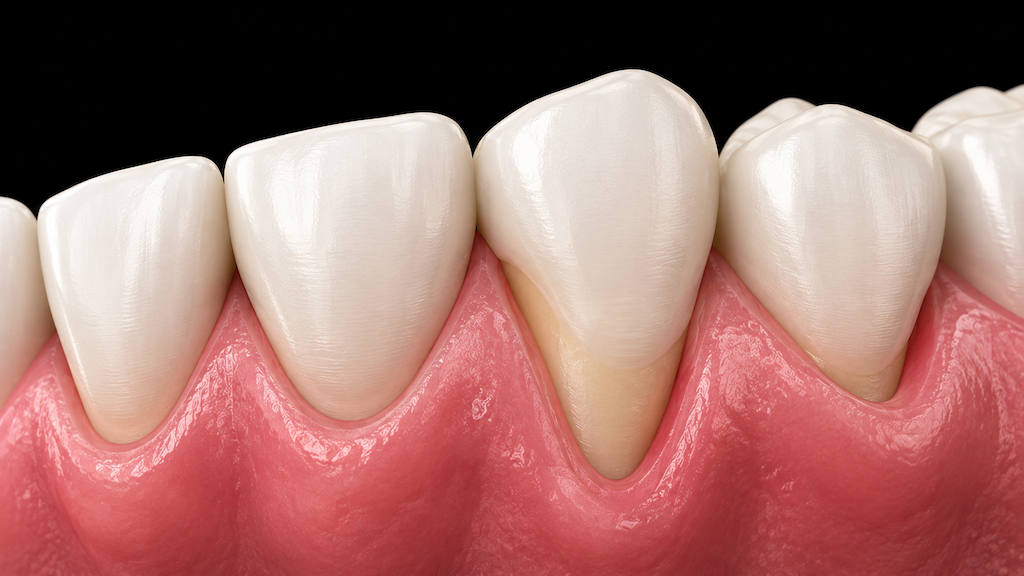
Gum grafting can even out your gumline and protect exposed tooth roots.
You may benefit from gum grafting if you experience any of the following:
- Receding gums: Your gums appear to be pulling away from your teeth, making your teeth look longer than before.
- Exposed tooth roots: Part of the tooth root becomes exposed due to gum recession.
- Tooth sensitivity: You experience sensitivity towards hot, cold or sweet foods and drinks, especially around the receding gums.
- Thin or fragile gums: Your gums may appear thin or provide limited coverage around certain teeth.
Gum Grafting Patient Journey at toofus™ Dental
X-rays (OPG)
When you visit toofus™ Dental for a gum grafting consultation, you will first be brought in for a dental X-ray.
An OPG provides your dentist with an overview of your teeth, jawbone and surrounding structures. Together with a detailed clinical examination, it can help identify underlying concerns and provide a more complete picture of your oral health before planning your treatment.
At toofus™Dental, we do not charge for X-rays. This is because we believe that having the right diagnostic information helps us provide more appropriate treatment recommendations.
Consultation and Assessment
During your consultation, your dentist will examine your gums, measure the amount of gum recession and assess the health of your teeth and surrounding tissues. They will also determine the most likely cause of your gum recession, such as gum disease, thin gums or brushing habits.
Personalised Treatment Planning
Based on the findings from your X-ray and clinical examination, your dentist will determine whether gum grafting is suitable for you. If grafting is recommended, your dentist will explain which graft is the most suitable for you, what to expect during the treatment and recovery and the estimated treatment fees.
Gum Grafting Procedure
Your gum grafting procedure usually takes place at a separate appointment. The affected area will be numbed using local anaesthesia to keep you comfortable. Depending on the grafting technique chosen, tissue will be taken from the roof of your mouth and carefully positioned around the affected area. The graft will then be secured in place with stitches.
Review and Follow-Up
You will return to toofus™Dental for a follow-up appointment so that your dentist can check how the graft and surrounding gums are healing. If non-dissolvable stitches were used, they will be removed. Your dentist will advise you on when and how to gradually resume your usual brushing and flossing routine. Additional reviews may be recommended depending on your healing progress.
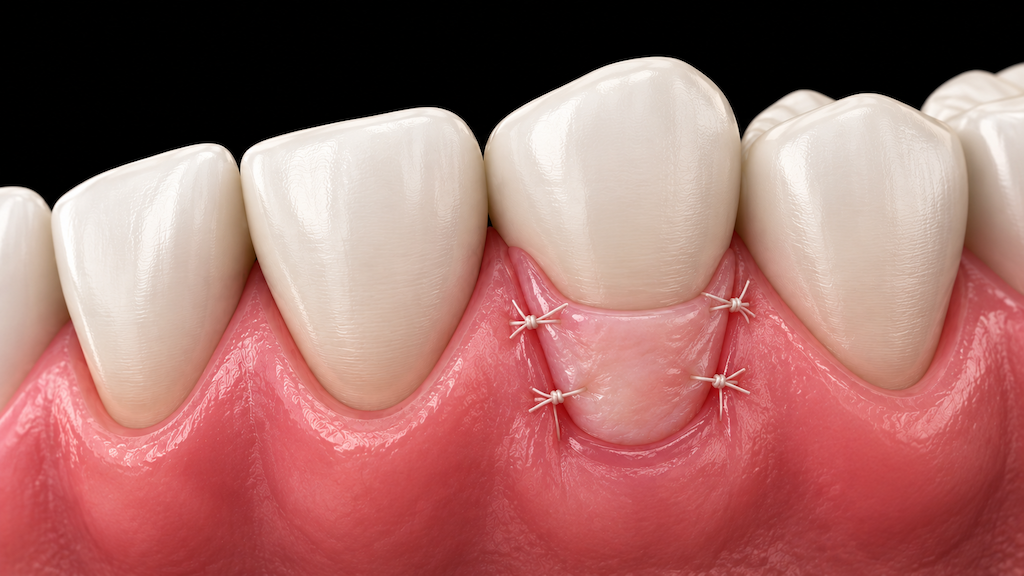
Total Treatment Duration for Gum Grafting

Gum grafting treatment typically involves a total of two visits.
Gum Grafting Alternatives
Gum grafting is not the only way to treat recessed gums. You may be suitable for other treatment options depending on the underlying cause of the recession.
1
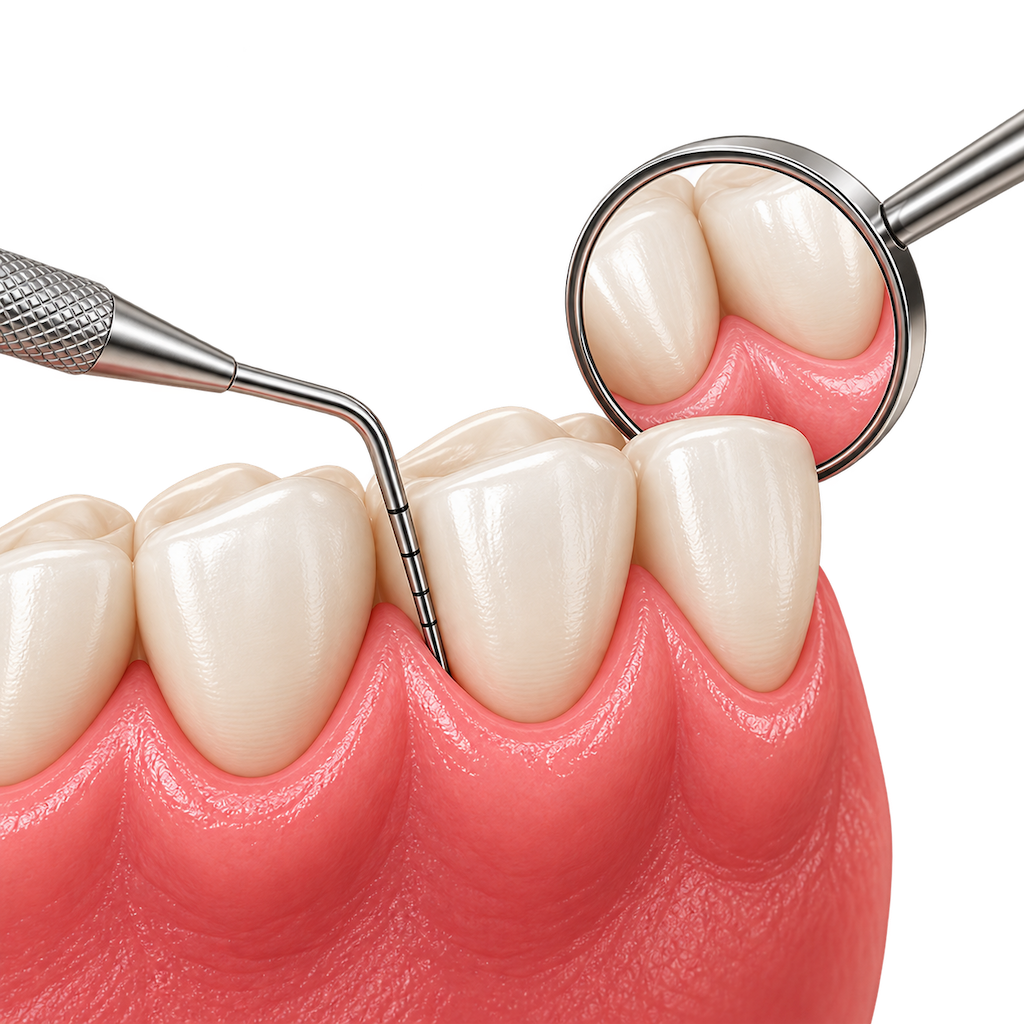
Monitoring and Preventive Care
Dentists may recommend monitoring for patients with mild, stable gum recession, addressing factors that could make it worse, such as aggressive brushing.
2
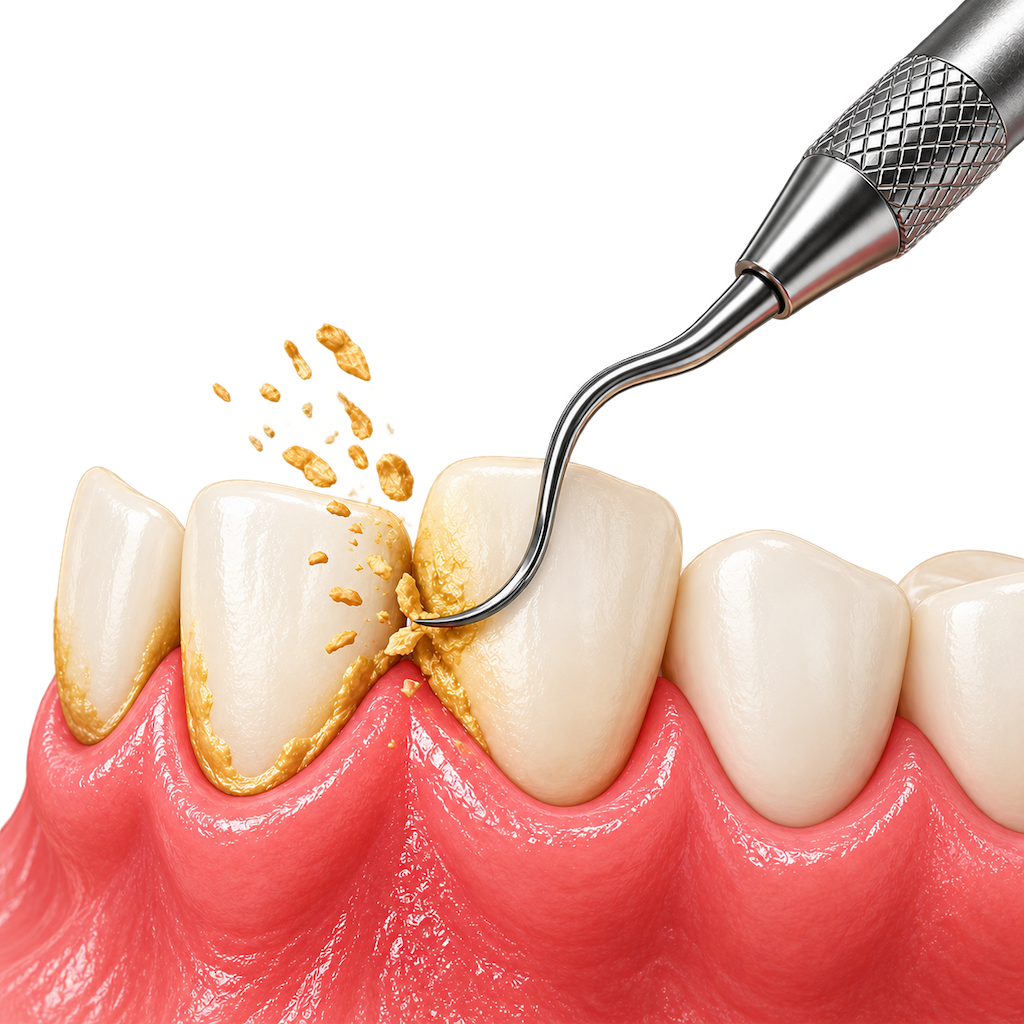
Scaling and Root Planing
Scaling and root planing removes plaque and tartar from below the gumline and around the tooth roots. Patients whose gum recession is linked to gum disease may benefit from this treatment.
3
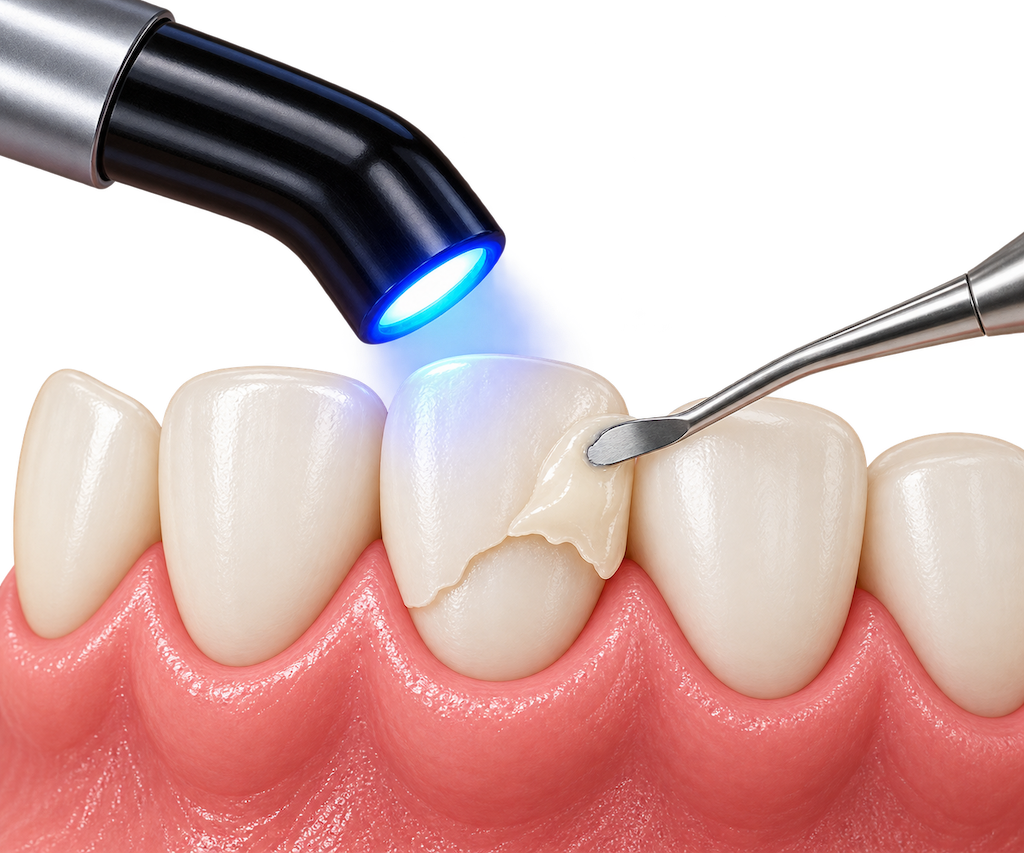
Composite Bonding
A tooth-coloured material is placed over an exposed root to protect it and improve its appearance. This treatment is suitable for patients with exposed roots, sensitivity, or aesthetic concerns who may not want or require a graft.
Not sure what you are most suitable for?
Gum Grafting: Frequently Asked Questions
Everything you need to know about gum grafting and more.
Should I get a connective tissue graft or a free gingival graft?
The right type of graft depends on your gum condition and what you hope to achieve from the treatment. A connective tissue graft is commonly used to cover an exposed tooth root and thicken the surrounding gum, while a free gingival graft is used to increase the amount of strong, healthy gum tissue.
After a complete assessment, your dentist will recommend the best option for your needs.
Can receding gums grow back without a gum graft?
Gum tissue lost due to recession generally does not grow back on its own. However, not every case of recession requires grafting. Mild or stable recession may sometimes be monitored and managed by addressing the contributing factors.
Is gum grafting treatment painful?
Gum grafting treatment is usually performed under local anaesthesia, so that the treatment area will be numb during the procedure. You may experience some soreness or discomfort as your gums heal, particularly if tissue has been taken from the roof of your mouth.
How long does it take to heal from gum grafting?
The initial healing generally takes a few weeks, although the graft will continue to mature over the following weeks to months. Your recovery depends on the extent of your treatment.
Can I eat normally after a gum graft?
During the early stages of healing, you are advised to avoid hard, crunchy or very hot foods that could irritate the graft. Your dentist will advise you on when you can return to your usual dietary habits.
Can I brush and floss my teeth as usual after gum grafting?
You can continue to brush and floss the rest of your mouth as usual, but you are advised to avoid the graft area during the early healing period. Your dentist will advise you on how to care for your graft.
How long does a gum graft last?
With good oral hygiene and targeted diagnosis and treatment planning, a successfully healed gum graft can provide long-term benefits.
Can gum recession occur again after a gum graft?
Yes, further recession is possible even after a successful graft. Maintaining good oral hygiene, using appropriate brushing techniques and addressing the underlying cause of recession can help ensure the longevity of your results.
Can I use MediSave to pay for my gum grafting treatment?
Yes, for gum grafting, you may claim up to $1,950 from your MediSave account for a single-site tooth.
Can I claim gum grafting through my dental insurance?
This depends on your individual insurance policy and the extent of coverage provided. We recommend checking directly with your insurance provider before starting treatment to confirm whether gum grafting is covered under your plan.