Dr Amanda Koh
Experienced full mouth rehabilitation and full arch dental implant dentist with more than a decade of experience working with complex dental implant restoration post-orthodontic treatment and full arch dental implants.
Your Full Mouth Rehabilitation Dentist

Dr Amanda Koh
Dr Amanda Koh (BDS, NUS) is the co-founder and clinical director of toofus™ Dental (Farrer Park) (a complex prosthodontics and dental implantology centre) and kohe™ Dental (an orthodontic and dento-facial esthetics centre).
She is an experienced full mouth rehabilitation and orthodontic-focused dentist who believes in prioritising non-invasive treatments that preserve and protect the natural smile of each patient whenever possible.
At the heart of her work is one goal: To help patients feel confident, comfortable, and truly cared for.
Whether she is:
Restoring smiles after braces or clear aligners with carefully placed implants;
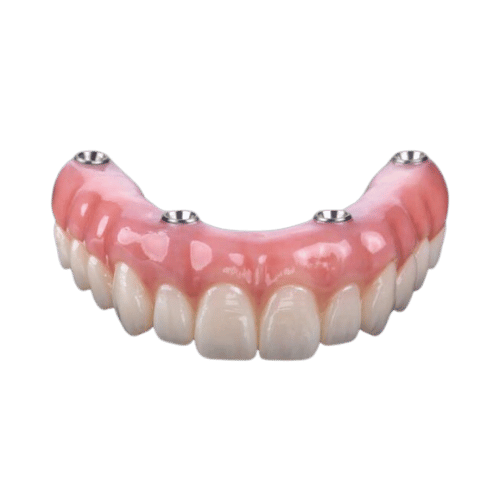
Rebuilding full arches using All-on-4 or All-on-6 dental implant systems;
Or performing sinus lifts and bone grafts to ensure strong foundations for future implants,
Dr Amanda approaches every case with precision, patience, and compassion.
She carefully selects her materials and uses dental implants from Megagen (Korea) and Anthogyr (France) – brands that she trusts to provide long-lasting, natural-looking results.
Outside of her clinical work, Dr Amanda loves spending her off days lazing around with her Maine Coon cats, Bean, Bubbles and Button.
Full mouth rehabilitation should not be rushed. Before placing crowns, implants, or final restorations, we need to understand how the teeth align, how the bite functions, and how the smile should be rebuilt. Doing it once and doing it right means planning the foundation before committing to the final work.”

Dr Amanda Koh
Why Choose Dr Amanda Koh






Dr Amanda Practices At
Location
Complex Prosthodontics and Implantology Centre
toofus™ Dental (Farrer Park)
148 Rangoon Road
#01-03
Singapore 218425
Orthodontics and Dentofacial Esthetics Centre
kohe™ Dental (Somerset)
9 Oxley Rise
#03-01
The Oxley
Singapore 238697
Please take note that all appointments at this location are for braces/clear aligners/orthodontic treatment only.
Contact toofus™ Dental Farrer Park
Operating Hours
Monday – Saturdays
10am – 7pm
Sundays
10am – 6pm
Closed on Tuesdays
Contact kohe™ Dental (Somerset)
Operating Hours
Monday – Friday
10am – 7pm
Saturday
10am – 6pm
Sunday
10am – 5pm
Closed on Thursdays.
Ready to Take the Next Step to Restore Your Teeth with Dr Amanda?
Schedule your visit today and let her help you achieve your perfect smile done right.
Frequently Asked Questions
Common Questions That Patients Ask Dr Amanda Koh
How do I know if I need full mouth rehabilitation?
If you are asking this question, you may not necessarily need full mouth rehabilitation. This is a good thing!
Patients who truly require full mouth rehabilitation usually already feel that something needs to be done. This is because their teeth are affecting their confidence, lifestyle, chewing, speech, or daily comfort.
Many patients tell us they have slowly stopped smiling, avoided social situations, or even felt their love life was affected because of missing, damaged, worn-down, or misaligned teeth.
Full mouth rehabilitation is not simply about restoring teeth back to how they were before. It is about rebuilding the foundation of your bite, smile, and oral health so that future dental work can last properly.
You may need full mouth rehabilitation if you have several concerns at the same time, such as misaligned teeth, damaged teeth, missing teeth, unstable and loose dentures, worn-down teeth, gum disease, bite problems, or repeated dental failures.
The best way to know is to have a full dental assessment, where we evaluate your teeth, gums, bite, bone support, smile, and long-term treatment options.
Why is teeth alignment important before crowns or dental implants?
The best restorative outcomes usually happen when your teeth are properly aligned first.
Crowns, bridges, veneers, and placing dental implants are not just about replacing or covering teeth.
They need to fit into your bite, your smile, and the way your upper and lower teeth meet.
When teeth are misaligned, it may still be possible to achieve a “nice” or functional result, but it is often not the same as building on a well-aligned foundation.
Proper teeth alignment can help with better bite balance, better crown shape, better implant positioning, and a more natural-looking smile.
It also allows the dentist to place restorations in a way that looks more harmonious with your face and surrounding teeth.
Restoring teeth without correcting alignment may work in the short term, but it can create long-term consequences. These may include uneven bite pressure, higher risk of chipped crowns, food trapping, gum problems, teeth wearing down faster, and restorations that do not last as well.
This is why alignment is sometimes recommended before major restorative treatment.
Can full mouth rehabilitation include dental implants?
Yes, full mouth rehabilitation can include dental implants.
For some patients, full mouth rehabilitation may involve restoring damaged teeth with crowns, restoring extensive teeth loss with overdentures or All-on-x dental implants, improving the bite, treating gum disease, or replacing missing teeth.
When teeth are missing, badly damaged, loose, or no longer suitable to keep, dental implants may be part of the treatment plan.
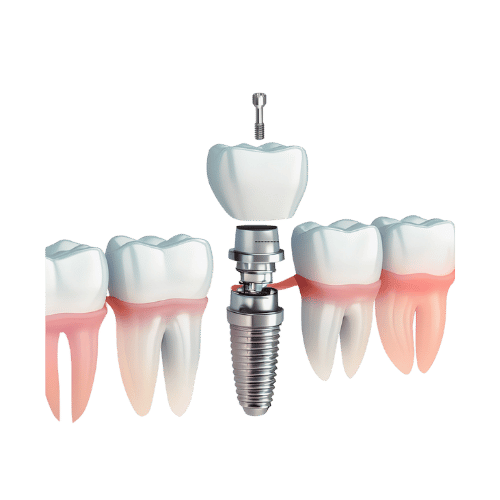
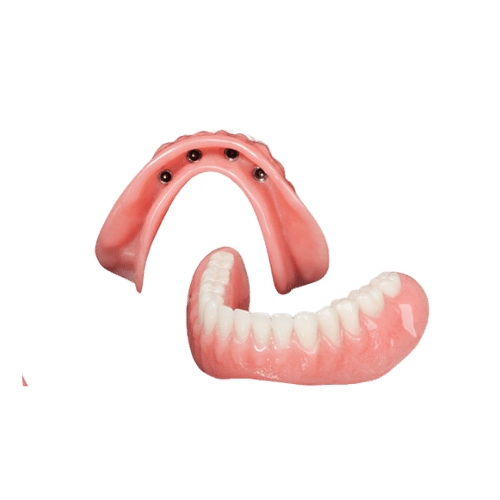
Dental implants can be used to replace individual missing teeth, support implant bridges, stabilise dentures, or support full-arch solutions such as overdentures or All-on-X dental implants.
However, implants are not always the first or only option.
The goal of full mouth rehabilitation is to rebuild a stable, functional, and long-lasting foundation for your teeth, gums, bite, and smile.
This means we will first assess your remaining teeth, gum health, bone support, bite alignment, facial profile, chewing function, and long-term goals.
In some cases, saving natural teeth is still possible. In other cases, dental implants may provide a stronger and more predictable foundation for the next stage of treatment.
Do I need to extract all my teeth for full mouth rehabilitation?
Not necessarily.
Full mouth rehabilitation does not automatically mean removing all your teeth. In fact, my clinical philosophy is not to extract teeth first. We only have one set of adult teeth, so the first step should always be to assess whether your natural teeth can be saved, restored, strengthened, or improved.
For many patients, full mouth rehabilitation may involve treating gum disease, restoring damaged teeth, improving the bite, replacing only the teeth that are missing, or using crowns, bridges, dentures, or dental implants where needed.
The goal is not to remove teeth unnecessarily. The goal is to rebuild your mouth in a way that is stable, functional, healthy, and suitable for the long term.
Extractions are usually only considered when teeth are too badly damaged, severely loose, infected, fractured, or no longer predictable to keep. Before that decision is made, your dentist should assess your teeth, gums, bone support, bite, smile, and available treatment options.
Where possible, we will first explore how to restore your natural smile without unnecessary invasive treatment.
How long does full mouth rehabilitation take?
It depends on the severity of your condition and what your mouth needs before the final restorations can be done.
For some patients, full mouth rehabilitation can be completed within a week, especially if the treatment mainly involves replacing or restoring teeth in a more straightforward way through multiple inlays/onlays or dental crowns.
For others, it may take several months or even longer if there are underlying problems that need to be stabilised first.
My longest full mouth rehabilitation case took 2.5 years. The patient had severe gum disease, so we had to treat the gum disease first. After that, we went through braces treatment to improve the bite and teeth alignment, placed dental implants for missing teeth, and then adjusted the crowns to rebuild the bite properly.
This is why full mouth rehabilitation is not just about money. It is also about time, commitment, and patience.
I always ask my patients: Are you willing to give yourself the time needed to get back your smile properly?
Is full mouth rehabilitation painful?
Full mouth rehabilitation should not be a painful experience.
Dental treatment is always carried out with care, and the goal is to make the process as comfortable and manageable as possible. Most procedures can be done with numbing techniques, so you should not feel sharp pain during treatment.
Some patients may feel pressure, vibration, or mild discomfort depending on the type of treatment being done.
After treatment, there may also be some soreness, swelling, or tenderness, especially if surgery, gum treatment, dental implants, or extractions are involved. This is usually managed with medication, aftercare instructions, and proper follow-up.
For patients who are anxious or sensitive, we can also plan treatment in stages so that it feels less overwhelming. We also frequently work with IV sedation or general anaesthesia (GA) for patients who require additional relaxation.
The most important thing is to communicate openly with us or your dentist. If you feel uncomfortable at any point, let the dental team know.
Full mouth rehabilitation is not about rushing through treatment. It is about rebuilding your smile carefully, comfortably, and properly.
What is the difference between cosmetic dentistry and full mouth rehabilitation?
Cosmetic dentistry, or aesthetic/esthetic dentistry, mainly focuses on improving how your teeth and smile look. This may include treatments such as dental veneers, teeth whitening, bonding, or smile design. These treatments can improve the colour, shape, size, and overall appearance of your teeth.
Full mouth rehabilitation goes deeper than appearance.
It looks at both function and aesthetics. This means your dentist is not only trying to make your smile look better, but also assessing how your teeth bite together, how you chew, whether your teeth are worn down, whether teeth are missing, whether your gums are healthy, and whether your restorations can last.
For example, veneers may improve the appearance of front teeth. But if the bite is unstable, teeth are badly worn, gums are unhealthy, or several teeth are missing, cosmetic treatment alone may not be enough.
Full mouth rehabilitation is about rebuilding the foundation of your smile, not just improving the surface. The goal is to restore comfort, function, confidence, and long-term stability.
Why should full mouth rehabilitation be planned carefully instead of done quickly?
Full mouth rehabilitation should be planned carefully because it affects your entire bite, smile, chewing function, gum health, and long-term dental stability. Dental stability can also affect your overall systemic health.
This is not a treatment that should be rushed. This is why you should only do full mouth rehabilitation with a dentist you truly trust. It can be a lengthy process.
When full mouth rehabilitation is done too quickly or without proper planning, the consequences can be serious. Patients may end up with an uncomfortable bite, crowns that chip or break, implants placed in poor positions, teeth that look unnatural, gum problems, pain when chewing, or treatment that needs to be redone.
Good things take time.
Before rebuilding the teeth, your dentist needs to understand the condition of your gums, bone, bite, jaw, facial profile, missing teeth, damaged teeth, and long-term goals. In some cases, gum disease, infection, bite problems, or misaligned teeth must be treated first.
You also cannot rush healing. The gums, bone, implants, and surrounding tissues need time to stabilise before the next stage of treatment is done.
Full mouth rehabilitation is not about doing everything fast.
It is about doing everything properly so your new smile has a strong foundation and can last.
Can full mouth rehabilitation restore and improve both my smile and chewing function?
Yes. That is actually the whole purpose of full mouth rehabilitation.
Full mouth rehabilitation is not only about making your teeth look better.
It is also about helping you chew, bite, speak, smile, and function more comfortably again. For many patients, damaged, missing, loose, worn-down, or painful teeth affect what they can eat and how confidently they live.
I have worked with patients who looked tired, weak, or unwell because they could no longer chew properly. Some had lost a significant amount of weight because their diet became very limited. After treatment, they were able to eat more comfortably again, regain strength, and enjoy food with more confidence.
This is why full mouth rehabilitation can be genuinely life-changing. It can improve your smile, but it can also change your daily comfort, food choices, nutrition, confidence, and overall quality of life.
The goal is not just to restore teeth. It is to restore function, stability, and the ability to live normally again.
Our Signature Services
Dental Implants
(01)
Failed Implants Restoration
(02)
Buried Tooth Surgery
(03)
Wisdom Tooth Surgery
(04)
Dentures
(05)
Overdentures (Implant-Supported Dentures)
(06)
Multiple-Implants Restoration
(07)
All-on-X Dental Implants