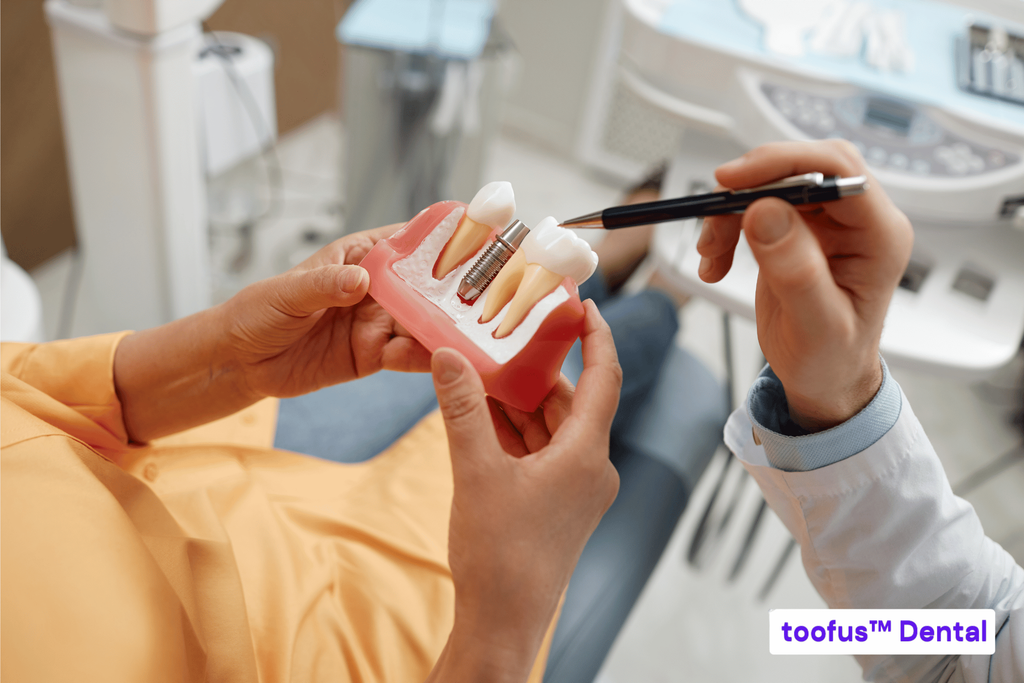
If you have been considering whether dental implants are right for you because your dentist mentioned it or because you have done some research of your own online, this guide can help you make a more informed decision.
Dental implants are a reliable tooth replacement option for many patients. However, treatment suitability and success depends on factors like bone health, gums, medical history, and lifestyle habits.
This guide has been written based on our personal experiences with patients with different physical health conditions, oral conditions and experiences. It is our hope that you will find an experience in this comprehensive guide that is relatable to your needs and requirements.
| Quick Summary |
|---|
| ▶ Dental implants can still be suitable if you have bone loss, gum disease, diabetes, previous implant failure or other medical considerations. ▶Age alone does not determine suitability. Your bone health, gum health, general health and ability to heal are more important. ▶Some patients might require gum treatment, bone grafting or medical clearance before undergoing dental implant surgery. ▶Smoking, teeth grinding and poor oral hygiene can increase implant complications, but these risks can often be managed with appropriate precautions. ▶If dental implants are not suitable for you, alternatives such as dental bridges, partial dentures and full dentures can still replace missing teeth. |
Table of Contents
Are Dental Implants Right For Me If I Have Been On Dentures For Years?
Dental implants can still be right for you even if you have been on dentures for years or decades.
Many patients we see switch to dental implants because their dentures might not be the most comfortable.
Start your dental implants journey right without any out of pocket cost.
Ask our patient success coordinators about our dental implant packages.
Some of the common reasons why patients switch from dentures to dental implants are that their dentures move about when eating, chewing, biting and speaking. Some patients also lament that they have lost their sense of taste when on dentures. This is especially so for patients on full dentures.
In some cases, long-term denture wear has also caused sore spots on their gums that can be thoroughly painful and uncomfortable.
If you are thinking of switching from dentures to dental implants, there are a few considerations that you would have to take into account:
- Are your gums healthy?
- Are you looking to replace partial or full dentures?
- Is there sufficient bone to place dental implants?
Are Dental Implants Right For Me If My Previous Implant Failed?
Dental implants can still be right for you even if you have had an implant that failed or did not manage to osseointegrate previously.
Your dental implant dentist will first have to understand:
- Why the dental implant failed
- How the last dental implant failed
- When the last dental implant was placed
- Whether it is possible to choose an alternative site for implant placement
- Whether you have existing medical or oral conditions that might cause recurring implant failure.
If your last dental implant has failed recently, you will have to wait 6 to 12 months before placing another implant on the same site. This is to ensure that your implant placement site has regenerated and healed first.
Besides waiting for your previous failed implant site to heal, you might also need to rebuild the volume and density of bone before placing a new dental implant.
It is not advisable to rush into placing another implant on the same site. In cases where it is possible to place an implant on an alternative site instead, your dentist might recommend it to you and warn you of the possible risks and complications.
Are Dental Implants Right For Me If I Have Gum Disease?
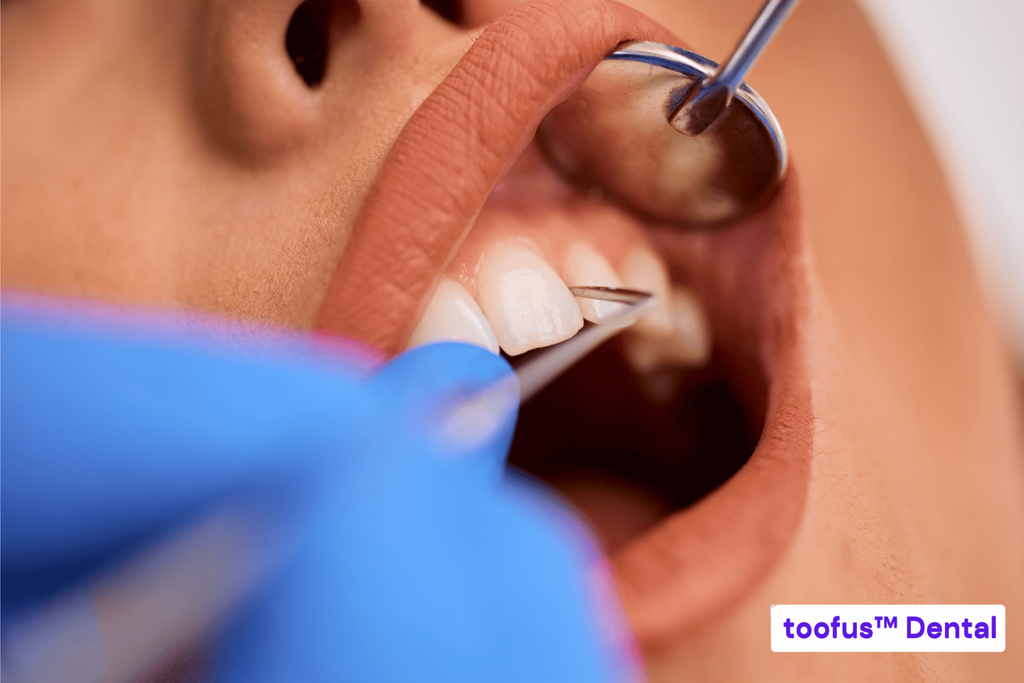
Dental implants need to be placed on the right foundations to ensure long-term treatment success and longevity. This means that you should only place dental implants after treating active gum disease.
While this might sound tedious, it is actually not that hard.
Dental implants can typically last an entire lifetime when it is done on the right foundations and maintained after.
However, if dental implants are placed in gums that have active gum disease, there is a high risk of infection leading to implant failure.
If you have gum disease, your dental implant dentist will recommend one of the following procedures before implant surgery, depending on the severity of your gum disease:
- For early stage gum disease (gingivitis): Professional dental cleaning can help
- For moderate stage (periodontitis): Root planning combined with antiseptic rinses at home and antibiotics
- For advanced stage (severe periodontitis): Flap surgery and gum grafting combined with root planning and antibiotics.
Gum disease should not stop you from dental implants. It is still possible to undergo dental implants once you have treated gum disease.
Some of the immediate considerations that you should take note of:
- How long have you had gum disease?
- Is your gum disease localised or does it affect your full mouth?
- Are your teeth loose or shaky because of gum disease?
Are Dental Implants Right For Me If I Have Diabetes?
Dental implants can still be right for you even if you have diabetes as long as your diabetes is under control.
Patients who have uncontrolled diabetes will require a patient memo from their primary care doctor or endocrinologist clearing them for implant surgery. Patients are typically cleared for implant surgery once their HbA1c levels are below 7% or at a more stable glycemic control level.
Extra precautions are usually taken if you have diabetes, as chronic health conditions and/or medications can impair and delay implant surgery healing and recovery. In some cases, it can also weaken the immune response and increase infection risks.
Uncontrolled diabetes can make it harder for your body to heal post-implant surgery.
In some cases where your HbA1c levels surge post-implant surgery, your dental implant dentist might take more conservative measures for your dental implant crown restoration.
They might advise you to wait for 6-9 months for your wound site to heal and osseointegrate entirely before placing an implant crown.
If you have diabetes, these are some of the considerations that you should be aware of:
- Is your diabetes under control?
- Have you received clearance from your primary care doctor?
- Are you willing to maintain healthy post-surgery HbA1c levels?
Are Dental Implants Right For Me If I Had Jaw Surgery?
Dental implants can still be right for you if you have had jaw surgery or double jaw surgery.
There are a few factors that need to be taken into consideration if you have had either:
- Current bone quality
- How long ago your jaw surgery was done
- Type of jaw surgery done
- Purpose of jaw surgery
- Whether significant bone remodelling was done
In some cases, it might be possible to place dental implants immediately after your jaw surgery. However, this has to be assessed on a case to case basis.
If significant bone remodelling was done, there might be bone loss or bone deficiency. If that is the case, then bone grafting might be required before dental implant surgery.
In some cases, it might be necessary to check temporomandibular joint functionality to prevent exacerbating existing TMJ issues.
Are Dental Implants Right For Me If I Have Had Chemotherapy?
If you have had chemotherapy or are still undergoing chemotherapy for cancer treatment, dental implants can still be right for you once your immune system and overall health are in recovery.
Your oncologist might advise you to postpone implant surgery during active chemotherapy as chemotherapy treatment can increase the risk of infection, uncontrolled bleeding and slower recovery.
Before undergoing implant surgery, please ensure that you have communicated your potential plans with your oncologist. Do not proceed with implant surgery without clearing it with your oncologist.
There are some precautions that you might have to take before doing dental implants:
- If the type of cancer that you were being treated for or are being treated for is near the head, neck and oral structures, then you might want to seek dental implants treatment with an oral maxillofacial surgeon instead of with a general dentist as the risk of jaw bone fracture and potential complexity can increase.
- If you are currently experiencing dry mouth or sore gums or ulcerations, you might want to let your dental implant dentist know to prevent potential implant complications.
- If you are currently in remission, you might want to clear your implant surgery with your oncologist before proceeding with any implant surgery.
Are Dental Implants Right For Me If I Have Bone Loss?
Dental implants can still be right for you if you have bone loss or insufficient bone depth.
However, different steps will be taken by your dental implant dentist depending on:
- How much bone loss there is,
- The reason for your bone loss,
- The location of the bone loss,
- Whether the bone loss affects single implant or multiple implant placements.
In instances where there is minimal bone loss and still sufficient bone depth to place an implant, a shorter dental implant screw will be used. A shorter dental implant screw is not the same as a mini dental implant.
Instead of using a 8 – 14mm dental implant, your dental implant dentist might use a 6 – 8mm dental implant. It might also be combined with simultaneous bone graft.
For situations where there is really minimal bone present in the upper or lower arch, and patients do not wish to proceed with either a sinus lift (upper arch) or other ridge augmentation surgeries, an ultra short implant of 4 – 6mm might be used.
However, please take note that while there is evidence of some success rates for ultra-short implants, there is still limited research on the long-term consequences and longevity of ultra-short implants. Should you wish to proceed with ultra-short implants, it is necessary to weigh the risks and long-term consequences of ultra short implants vs bone grafting with traditional implants.
If you are skeptical as to whether you truly require bone graft, ask your dental implant dentist to show you where the bone loss is and why they are recommending you bone graft.
Bone graft is usually required when you see slight or large depressions in bone depth in comparison to your regular bone depth.
If you have had massive bone loss, your treatment duration might take slightly longer as separate bone graft and membrane surgeries will be done before your implant surgery.
Are Dental Implants Right For Me If I Am On Blood Thinning Medications?
If you are on blood thinning (anti coagulant) medications, dental implants are still a possible teeth replacement option if the right clinical management and medical coordination is taken.
Anticoagulant medications can prolong bleeding and delay clotting agents from forming during the implant surgery. However, it is not always necessary to stop blood thinning medications for the sake of implant surgery. This is especially true for patients who have a higher risk of stroke.
Before dental implant surgery, your dentist will confirm the following with you so as to ensure that you do not have non-stop bleeding during the implant surgery:
- Type of blood thinning medication you are taking
- Dosage of blood thinning medication
- Purpose of the medication e.g. whether it is for stroke or heart attack
- Whether medications can be stopped temporarily before implant surgery.
In some cases, under the explicit instructions of your prescribing physician or cardiologist, blood thinners can be stopped before you undergo implant surgery. However, a memo with the exact instructions will have to be issued from your primary care physician/medical specialist before halting medications.
Alternatively, you can also choose a clinic like toofus™ Dental that uses laser therapy to assist with tissue management and bleeding control during the implant surgery.
Do not take matters in your own hands as stopping your medications without guidance can be dangerous. You should always get instructions or confirmation from your primary care physician before stopping any medication.
Different medications have different protocols. If you are unsure, please seek direction from both your dental implant dentist as well as your primary care physician.
Are Dental Implants Right For Me If I Am A Heavy Smoker?
Many smokers take up dental implants treatment. Unfortunately, while smoking can cause risks and complications to your dental implant surgery, it is not realistic to get patients to quit smoking for dental implants.
The rate of implant failure for heavy smokers (more than 30 sticks of cigarettes a day or about 1.5 boxes of cigarettes a day) is at least 25-30% higher than for non-smokers.
Smoking can constrict blood vessels and reduce blood flow. This reduces proper healing.
If you are a smoker, your dentist might get you to try to abide by the following conditions before, during and after your surgery to lower risks of implant failure:
- No smoking for at least 3-5 days before and after your implant surgery
- Reduce the number of cigarettes you smoke during the entire healing and osseointegration period
- Attend regular implant maintenance appointments so that early signs of inflammation or infection can be detected
- Maintain good oral hygiene around the dental implant to reduce the risk of peri-implant disease
If you are unable to stop smoking completely, be honest with your dental implant dentist about how much you smoke. This allows your dentist to explain your individual risks clearly and take additional precautions where possible.
Are Dental Implants Right For Me If I Grind My Teeth (Have Bruxism)?
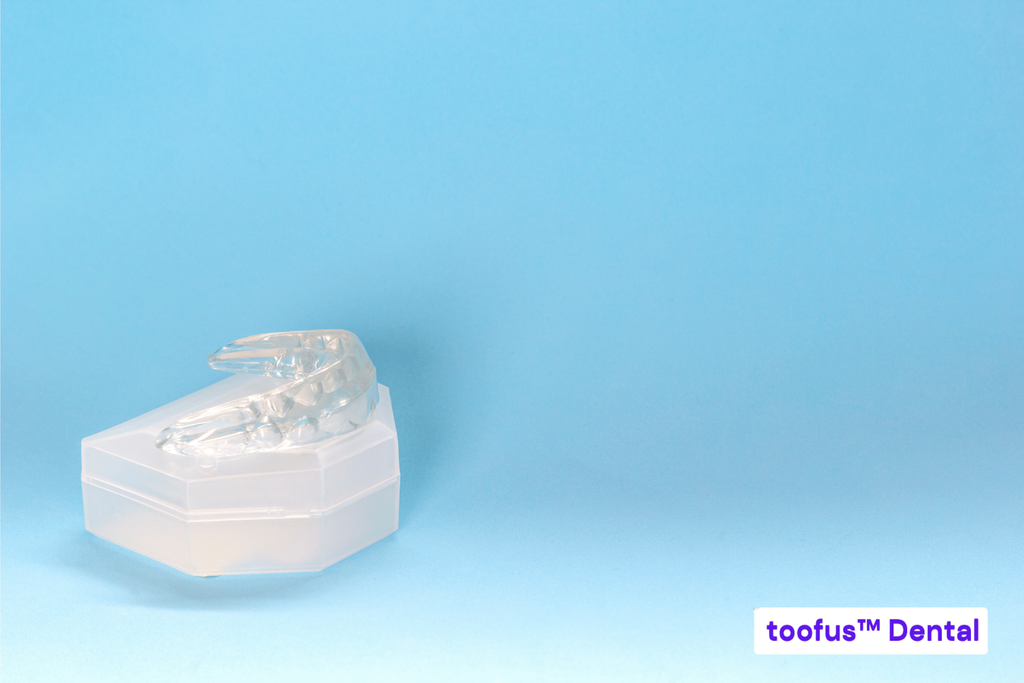
Dental implants can still be right for you if you grind or clench your teeth. However, bruxism can place excessive pressure on the dental implant, implant crown and surrounding bone.
Unlike natural teeth, dental implants do not have a periodontal ligament to absorb some of the pressure from chewing and grinding. If the pressure is too strong or continues for an extended period of time, it can cause the implant crown to chip, the screw to loosen or the surrounding bone to become overloaded.
If you are missing teeth on your back, it is generally recommended to use zirconia dental crowns, which has a higher density to protect your dental implant from higher bite forces and bite pressure.
If you grind your teeth, your dental implant dentist might recommend:
- A night guard to protect your implant and natural teeth while you sleep
- Adjusting your bite so that excessive pressure is not concentrated on the dental implant
- Using a stronger implant crown material like zirconia depending on the location of the implant
- More regular implant maintenance appointments to check for wear, loosening or bone changes
Bruxism does not automatically disqualify you from having dental implants. However, you should be willing to manage the grinding habit and protect the implant after treatment.
Are Dental Implants Right For Me If I Am Above the Age of 70 Years Old?
Dental implants can still be right for you if you are above the age of 70 years old. There is no fixed upper age limit for dental implant treatment.
Your suitability depends more on your general health, ability to heal, bone quality, gum health and whether you can maintain the implant after surgery.
A healthy patient in their 70s or 80s might be more suitable for implant surgery than a younger patient with uncontrolled medical conditions.
Your dentist will also consider whether dental implants will meaningfully improve your quality of life. For example, implants might help stabilise loose dentures, improve chewing confidence and allow you to eat a wider variety of foods.
If you are above 70 years old, these are some considerations for you:
- Are your existing medical conditions stable and under control?
- Are you taking medications that might affect bleeding or bone healing?
- Can you maintain good oral hygiene independently or with help from a caregiver?
- Are you comfortable undergoing surgery and attending the required follow-up appointments?
If necessary, your dentist might request medical clearance from your primary care physician or specialist before proceeding with implant surgery.
Are Dental Implants Right For Me If I Have A Strong Gag Reflex?
Dental implants can still be right for you if you have a strong gag reflex. In fact, some patients with a strong gag reflex prefer dental implants because implant-supported teeth are usually less bulky and less gag-inducing than removable dentures.
Full upper dentures cover a large portion of the roof of the mouth and can trigger gagging in sensitive patients. Depending on your suitability, dental implants might allow your dentist to reduce or remove this palatal coverage.
However, a strong gag reflex can make dental scans, impressions, X-rays and the implant procedure more uncomfortable.
Your dentist might manage this by:
- Using a digital intraoral scanner instead of conventional dental impression material
- Keeping appointments shorter and giving you breaks when required
- Adjusting your chair position and using careful suction techniques
- Discussing sedation options if your gag reflex is severe and cannot be managed with simpler measures
toofus™ Dental is a 100% digital dentistry dental clinic group.
This means that we use digital intraoral photogrammetry scanners to complete all our dental implant scans.
An average scan with a photogrammetry scanner takes around 2-3 minutes, and can minimise opportunities where you feel like gagging.
Let your dental implant dentist know about your gag reflex before treatment begins so that each stage can be planned around your comfort.
Are Dental Implants Right For Me If I Have Lockjaw?
Dental implants might still be right for you if you have lockjaw or limited mouth opening, but the cause and severity must first be assessed.
Limited mouth opening can make it difficult for your dentist to access the implant site safely, particularly when placing implants at the back of the mouth. It can also make X-rays, dental scans and longer procedures more uncomfortable.
Your dental implant dentist will need to understand whether the lockjaw is temporary or long-term and whether it is caused by a temporomandibular joint problem, muscle spasm, infection, previous surgery, trauma or another medical condition.
In severe cases, you might be referred to an oral maxillofacial surgeon or another medical specialist for lockjaw treatment before implant treatment.
In some cases, physiotherapy, jaw exercises or treatment of the underlying condition can improve mouth opening before implant surgery.
If sufficient and safe access cannot be achieved, your dentist might recommend an alternative tooth replacement option instead.
Are Dental Implants Right For Me If I Have Severe Dental Anxiety?
Dental implants can still be right for you if you have severe dental anxiety. Being afraid of dental treatment does not mean that you have to live with missing teeth or loose dentures.
The first step is to tell your dental implant dentist exactly what you are afraid of. Some patients are worried about pain, injections or drilling. Others are afraid of losing control, hearing surgical sounds or having had a traumatic dental experience previously.
At toofus™ Dental, our staff and clinicians are trained to render Tender, Loving, Care to all our patients, especially those with severe dental anxiety.
The more detailed you are with your fears and concerns, the better we can tweak our patient journey for you.
Depending on the severity of your anxiety, your treatment can be made more manageable through:
- A consultation-only first visit without treatment
- A clear step-by-step explanation of what will happen before surgery
- Numbing cream and local anaesthesia to manage discomfort
- Shorter appointments, agreed breaks and a stop signal during treatment
- Sedation options where clinically suitable and available
You do not have to complete everything in one appointment. In some cases, treatment can be broken down into smaller stages so that you have time to build trust and confidence with your dental team.
5 Things We Assess During Your Implant Consultation To See Whether Dental Implants Are Right For You
1. Jawbone Density
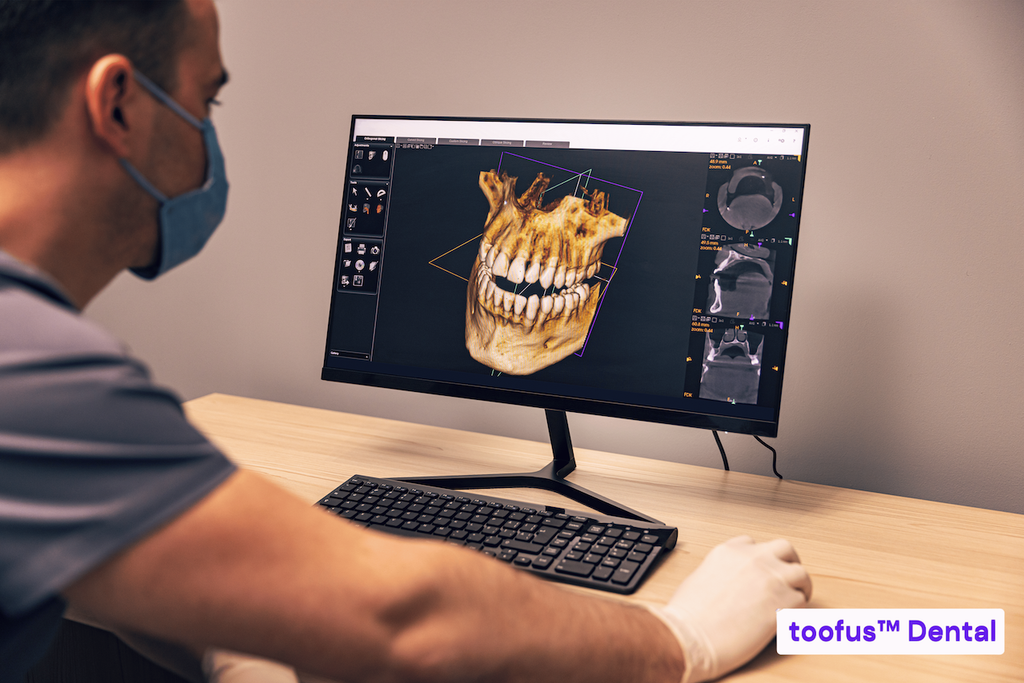
The quality of your jawbone is the single most important factor that determines your suitability for dental implants. Without enough bone, the implant has nothing to grip onto. At toofus™ Dental, our dentists use a CBCT scan (a 3D X-ray) to determine exactly how much bone you have and where. This provides them with the full picture of your jaw from every angle, something a 2D x-ray is unable to achieve.
If your bone has shrunk as a result of having a missing tooth for an extended period of time, your dentist will recommend that you undergo a bone graft first to restore sufficient bone support before placing an implant. A bone graft is a preparatory step, not a disqualifier. It simply means that you will require slightly more time before the implant is fixed.
Early assessment can help identify potential bone loss before more extensive preparatory treatment is required.
2. Gum Health
Undergoing dental implant surgery with undiagnosed gum disease is one of the main reasons the procedure fails. Fixing implants on infected and inflamed gums is like trying to plant a tree in diseased soil. Healthy gums are essential for successful implant integration, as inflamed or infected tissues can compromise healing and long-term stability.
If you have gum disease, we treat it first. Once your gums are healthy and stable, implant placement can proceed. This is not unusual, especially in patients in their 50s who may have had gum issues over the years.
If you experience bleeding during brushing, notice red or puffy gums, have loose teeth, or persistent bad breath, these could be signs of gum disease and should be discussed with your dentist at your first consultation.
3. Overall Health
While dental implants are considered a minor surgical procedure, it is still important to ensure that patients are in good health so that they can recover well after the procedure. For most people, this is not an issue. However, patients with certain medical conditions require extra consideration.
If you have any of the following conditions, it is important to inform your dentist during your consultation:
- Diabetes: Well-controlled diabetes does not disqualify you. On the other hand, poorly controlled diabetes (high HbA1c) slows healing and increases the risk of infection. We work with these patients and their diabetes specialist to ensure that their glucose levels are stable before proceeding with the surgery.
- Osteoporosis: Certain medications used to treat osteoporosis, particularly bisphosphonates (like Fosamax or Bonviva), can slow jawbone healing.
- Blood thinners: If you take warfarin, aspirin, or any newer anticoagulants, these need to be managed in coordination with your prescribing doctor.
- Heart conditions: Most heart conditions do not prevent implant treatment. However, some more serious cases or medications require extra precautions.
- Autoimmune conditions: Conditions that affect your immune system or healing may affect implant success rates.
Having a medical condition does not automatically disqualify you from implant surgery. It just means that your dentist has to take greater care in planning and executing your treatment. If you have any underlying health conditions not mentioned above, let your dentist know so that your treatment can be planned with your overall health in mind.
4. Smoking History
Among lifestyle habits, smoking has one of the greatest effects on the success of dental implant treatment. It reduces blood flow to the gums and jawbone, which can slow healing and increase the risk of implant failure. Studies have shown that smokers generally face a higher risk of implant complications compared to non-smokers.
However, smoking does not automatically rule you out as a candidate for dental implants. It simply means that your dentist will need to assess your risk factors carefully and discuss how smoking may impact your treatment outcome. Patients are typically advised to stop smoking before implant surgery and throughout the healing period to improve the chances of successful integration.
If you smoke, it is important to let your dentist know during your consultation so they can recommend the most appropriate treatment plan and precautions for your case.
5. Age
Dental implants are not recommended for patients who are still growing (typically under 18 years of age) because the jaw is still changing. But there is no upper age limit. Patients in their 60s, 70s, and even 80s have successfully received dental implants without complications. What matters most is the health of your bones and gums, and your general ability to heal, not your age. That said, patients in their 50s generally have the best recovery as they are old enough to have a well-formed jaw while being young enough to heal efficiently.
When Dental Implants May Not Be The Best Choice
While dental implants are a good long-term teeth replacement option for many patients, they may not be the most appropriate choice if you fall under one of these situations:
- Do not wish to take appropriate steps to treat active gum disease
- Are not interested in maintaining good oral hygiene after dental implants treatment or coming back for active maintenance
- Severe uncontrolled medical conditions that make surgery risky
- Heavily compromised jawbone that cannot support an implant, even with grafting, although this is rare
- Active cancer treatment involving the head and neck area, as radiation therapy affects bone and healing
- Financial considerations, where a more affordable short-term solution, such as a denture or bridge, may be more appropriate, with implants considered at a later stage
At toofus™ Dental, your health and recovery are of utmost importance to us.
If you are not suitable for dental implant treatment, our dentists will tell you that honestly and provide the appropriate alternatives.
What About Patients Who Have Had Missing Teeth for a Long Time?
This is one of the most common situations we see. You lost a tooth (or several teeth) years ago, used a denture or bridge, and now you are considering implants.
The concern here is bone loss. When a tooth is missing, the jawbone in that area starts to shrink within the first year. Once years have passed, the bone may have reduced significantly.
The good news is that bone grafting can often restore the area. This does add steps and time to the treatment, typically 3 to 6 months for the graft to heal before the implant is placed, but it is a well-established procedure with consistently good outcomes.
Many of our implant patients come to us in this exact situation, and the majority go on to achieve successful, long-lasting results.
If Dental Implants Are Not Right For Me, What Are My Alternatives?
If dental implants are not right for you now, it does not mean that you have to leave the missing tooth or teeth untreated. There are other ways to restore your smile and ability to eat.
Depending on the number and location of your missing teeth, your dentist might recommend:
- Dental bridge: A fixed replacement that uses the neighbouring teeth for support. This might be suitable if the adjacent teeth already require crowns, although healthy tooth structure might need to be removed.
- Partial dentures: A removable and more affordable option for replacing several missing teeth. They can be made from acrylic, cobalt chrome or flexible materials depending on your needs.
- Full dentures: A removable option when all the teeth in the upper arch, lower arch or both arches are missing.
- Resin-bonded bridge: A more conservative fixed option that attaches to the back of a neighbouring tooth. It is usually more suitable for selected missing front teeth.
- Delaying implant treatment with socket preservation: If you have recently extracted a tooth but are not ready for an implant, bone grafting at the extraction site might help preserve more bone for future treatment.
- Leaving the space alone: In selected cases, particularly when the missing tooth is at the back and does not affect chewing or the stability of neighbouring teeth, monitoring the space might be reasonable.
Each alternative has its own advantages, limitations, maintenance requirements and expected lifespan.
Your dentist should explain why a particular option is more appropriate for you rather than recommending dental implants by default.
You are suitable for dental implants if you are willing to take the necessary steps to build the right foundation before placing dental implants
Dental implant suitability is rarely a simple yes or no. Many conditions that appear to make implants impossible, such as gum disease, bone loss, diabetes, smoking or advanced age, might instead mean that additional planning, medical clearance or preparatory treatment is required.
The most important question is not whether you are a perfect candidate today. It is whether you are willing and medically able to take the necessary steps to create a stable foundation for the implant and maintain it after treatment.
An honest dental implant consultation should help you understand your bone and gum health, your individual risks, the additional procedures you might need and the alternatives available to you. If you are uncertain about a recommendation, you can also seek a second opinion before committing to treatment.
At toofus™ Dental, our dentists will assess your suitability carefully and explain whether dental implants are right for you now, whether you should prepare for them first or whether another tooth replacement option would better meet your needs.